
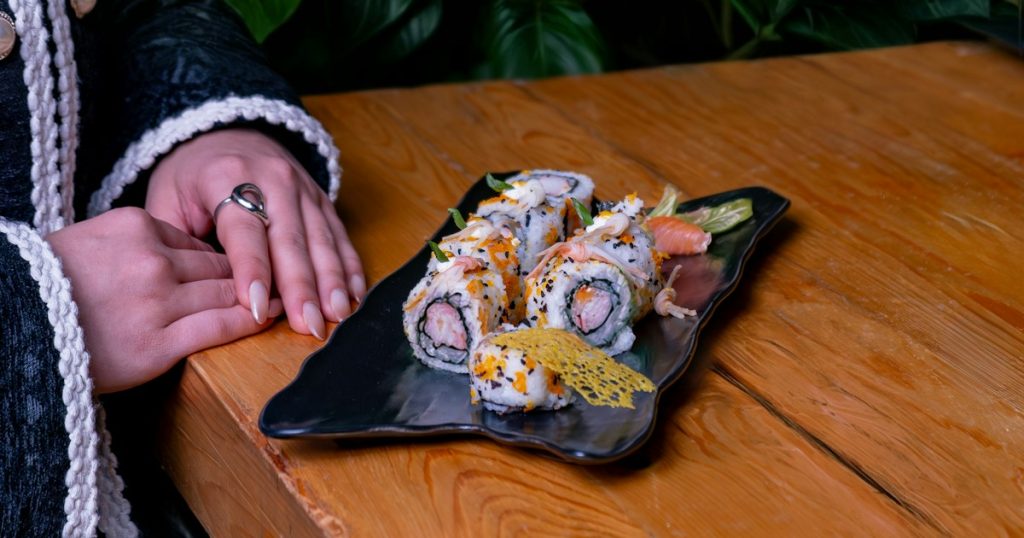
Sushi is often described as a simple combination of rice, seafood, and seaweed, but its variety is part of what makes it so enjoyable. A sushi menu may include delicate hand-pressed bites, neatly rolled pieces, crisp seaweed cones, and dishes that highlight seafood with very little added. Understanding a few foundational styles makes it easier to order with confidence, whether you are trying sushi for the first time or looking for something new.
Start with nigiri: simple and balanced
Nigiri is made by shaping a small portion of seasoned sushi rice by hand and topping it with a slice of fish or another ingredient. Salmon, tuna, shrimp, and cooked eel are familiar examples. Because the topping is easy to see and the rice portion is modest, nigiri lets you appreciate the relationship between the ingredient, the rice, and any light seasoning added by the chef.
If you are new to nigiri, begin with a topping you already enjoy. Cooked shrimp or a familiar salmon option can feel approachable, while tuna or other seafood can offer a different texture. Ask the restaurant team about ingredients and preparation if you have questions.
Maki rolls bring ingredients together
Maki refers to sushi rolled with nori, or seaweed, and cut into bite-sized pieces. Fillings can include seafood, cucumber, avocado, and other vegetables. Thin rolls often focus on one main ingredient, while larger rolls combine several flavors and textures.
Some rolls are made with the rice on the outside. These are commonly called uramaki, or inside-out rolls. They are popular in many American sushi restaurants and can include toppings or sauces. When choosing a roll, consider balance: a creamy ingredient can pair well with crisp cucumber, while a savory filling may work nicely with a lighter vegetable option.
Temaki is a casual hand roll
Temaki is shaped like a cone, with nori wrapped around rice and fillings. It is usually served as a single hand-held portion and is best enjoyed soon after it is made, while the seaweed still has some crispness. Its informal format makes it a fun choice when you want a different texture from traditional sliced rolls.
Sashimi is not technically sushi
Sashimi consists of carefully sliced seafood served without sushi rice. It is often accompanied by wasabi, pickled ginger, and soy sauce. Since rice is not part of the dish, the focus stays on the seafood’s flavor and texture. Sashimi is a useful option for diners who want to explore seafood without choosing a roll.
Build a meal with variety
A satisfying sushi meal does not need to be complicated. Try combining one familiar roll with a few pieces of nigiri, or share several different rolls so everyone can sample more than one flavor. A lighter vegetable roll can balance a richer specialty roll. Miso soup, edamame, or a simple salad may also round out the meal, depending on what is available.
Use soy sauce sparingly at first so it does not overpower the seasoning of the rice or the natural flavor of the topping. Pickled ginger is traditionally enjoyed between different pieces to refresh the palate, rather than piled onto every bite.
Choose with care and enjoy the experience
If you have food allergies or dietary restrictions, ask about ingredients, sauces, and shared preparation surfaces before ordering. Sushi dishes can contain fish, shellfish, soy, sesame, egg, and other common allergens. For raw seafood, choose an established restaurant and follow the staff’s guidance.
Exploring sushi is about discovering the styles and combinations you enjoy. Whether you prefer the simplicity of nigiri, the variety of maki, or the casual feel of temaki, each style offers a different way to appreciate Japanese food. When planning your next Japanese food outing in Charlotte, explore the options at Sushi 101 Charlotte and choose a combination that suits your taste.
Photo: solo seafood via Unsplash.