Japanese food culture is about more than individual dishes. A meal can reflect the season, the setting, the ingredients available, and the care taken in preparing and presenting each element. Even a casual dinner can feel thoughtfully arranged when flavors, colors, and textures are considered together. Understanding a few of these ideas offers a richer way to enjoy Japanese cuisine.
Balance is at the heart of the meal
Many Japanese meals bring together several different tastes and textures rather than relying on one dominant flavor. A savory main dish may be served with rice, soup, pickled vegetables, or a lighter side. Each item has its own role, and the combination creates a meal that feels varied without becoming overwhelming.
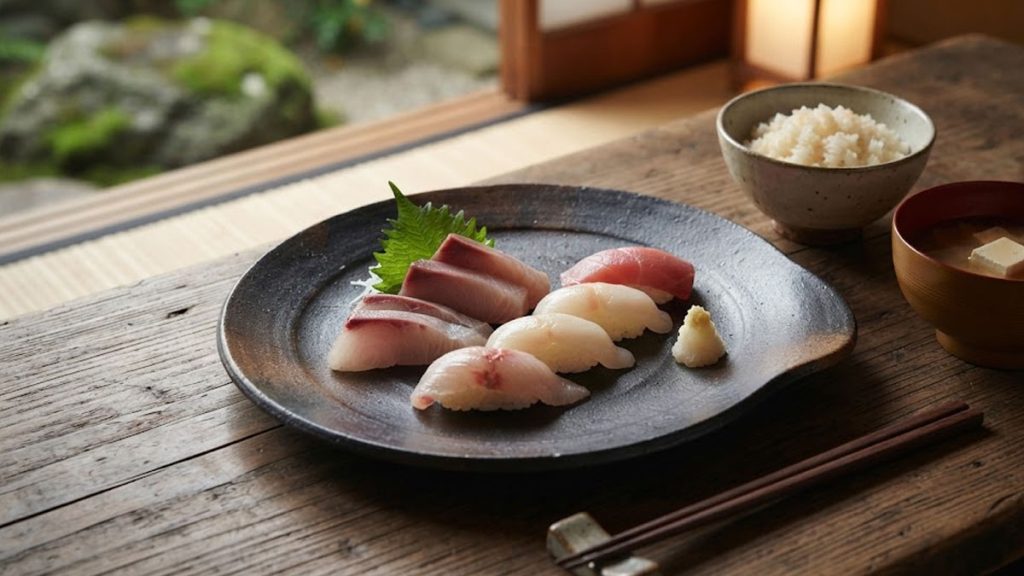
In sushi, balance can be found in the relationship between seasoned rice and its topping. The rice contributes gentle acidity and sweetness, while seafood or vegetables add their own character. A little soy sauce can provide saltiness, but using too much may hide the more delicate flavors. Paying attention to these small contrasts can make each bite more interesting.
Seasonality brings variety to Japanese cooking
Seasonal ingredients are an important part of Japanese culinary tradition. The idea is not simply to use what is available, but to appreciate ingredients when their qualities are especially appealing. Menus may change with the weather and the time of year, and seasonal vegetables, seafood, and garnishes can bring a sense of place to a dish.
Seasonality also encourages curiosity. Instead of ordering exactly the same meal every time, diners can ask what ingredients or preparations are being featured. Restaurant menus differ, so it is always best to check current offerings rather than assume a particular seasonal item is available.
Presentation is part of the experience
Japanese food is often arranged with attention to color, shape, and negative space. A plate does not need to be crowded to feel complete. A few carefully placed pieces can draw attention to the ingredients, while bowls and serving dishes help distinguish one part of the meal from another.
This approach is sometimes connected with the Japanese appreciation of simplicity and imperfection. Natural materials, handmade ceramics, and subtle seasonal details can add character without distracting from the food. Presentation is not only decoration; it helps set expectations for how a dish will be enjoyed.
Shared dishes invite discovery
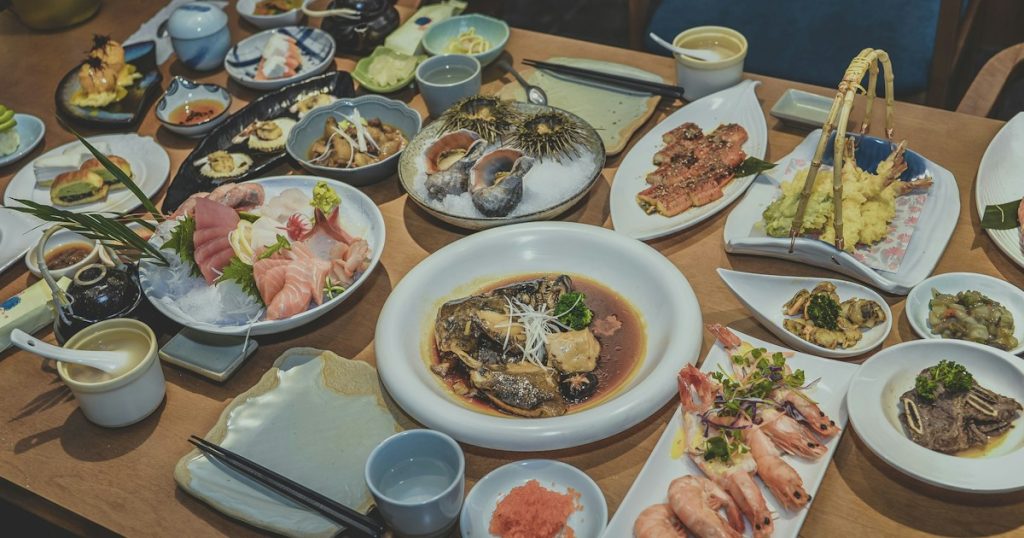
Sharing several dishes can make a meal feel social and exploratory. A group might choose different sushi rolls, a vegetable side, and a warm appetizer, then sample a little of each. This approach lets diners compare flavors and discover something they might not have ordered on their own.
When sharing, use serving utensils when provided and be considerate of the other people at the table. If someone has an allergy or dietary restriction, check ingredients before ordering a variety of dishes together. Sauces and garnishes may contain ingredients that are not obvious from the dish’s name.
Small customs help the meal feel comfortable
Dining etiquette in Japan varies by setting, and there is no need to feel anxious about getting every detail perfect. A few simple habits are useful: handle chopsticks thoughtfully, avoid sticking them upright in a bowl of rice, and use the provided serving utensils for shared plates. It is also fine to ask the restaurant team how a particular dish is traditionally enjoyed.
For sushi, pickled ginger is commonly eaten between different pieces to refresh the palate. Soy sauce is generally used in moderation. Some pieces may already include seasoning, so tasting first can help you decide whether anything extra is needed.
Bring a little more awareness to your next meal
One of the pleasures of Japanese cuisine is noticing how simple elements work together. Rice, soup, vegetables, seafood, tableware, and the rhythm of sharing all contribute to the experience. You do not need a formal tasting menu to appreciate these ideas. Start by trying a new side, asking about a seasonal ingredient, or choosing a mix of dishes with contrasting textures.
When you are planning a Japanese food outing in Charlotte, take your time exploring the menu at Sushi 101 Charlotte. A relaxed meal is a good opportunity to enjoy familiar favorites while discovering a new combination.
Photo: Jia Ye via Unsplash.