A visit to a sushi restaurant can be a relaxed way to enjoy Japanese food, whether you are meeting friends, planning a casual date, or simply looking for a meal with plenty of variety. If you do not know every item on the menu, that is part of the fun. A little preparation can make ordering easier and help everyone at the table find something they enjoy.
Take a moment to understand the menu
Sushi menus often include several broad styles. Rolls, usually called maki, combine rice, seaweed, and fillings. Nigiri pairs a small portion of seasoned rice with a topping, while sashimi is sliced seafood served without rice. Some menus also offer hand rolls, appetizers, soups, salads, and cooked dishes.
If a menu uses a term you do not recognize, ask the server to explain it. Restaurant teams can often describe the main ingredients, whether a dish is cooked, and how spicy or rich a sauce may be. Asking a question is a normal part of dining, especially when you are trying something new.
Order a mix of familiar and new flavors
For a first visit, it can help to choose one familiar item and one new dish. A classic roll gives you a reliable starting point, while a specialty roll or nigiri selection lets you explore. If you are dining with a group, ordering a few different rolls to share can create variety without requiring everyone to commit to a full order of something unfamiliar.
Think about balance when choosing. A rich or creamy roll can pair well with a lighter vegetable option. A warm soup or a simple side may round out the meal. Check portion sizes and the menu descriptions so you order an amount that makes sense for your group.
Communicate dietary needs clearly
Food allergies and dietary restrictions deserve careful attention. Sushi menus can include fish, shellfish, soy, sesame, wheat, egg, and other ingredients. Sauces and toppings may contain allergens that are not obvious from the dish name. Tell the restaurant team about any restrictions before ordering and ask whether shared equipment or preparation surfaces could be an issue.
If you avoid raw seafood, look for cooked options or vegetable-based dishes, and confirm the preparation with staff. If you follow a vegetarian or vegan diet, ask about sauces, broths, and garnishes as well as the main filling.
Enjoy sushi at a comfortable pace
Sushi is often served in portions designed to be enjoyed piece by piece. Take time to notice the rice, topping, and seasoning. Soy sauce can be quite salty, so start with a small amount rather than soaking each piece. Some sushi may already be seasoned by the chef, making extra sauce unnecessary.
Pickled ginger is commonly used between different pieces to refresh the palate. It is not necessary to place it on top of every bite. If you are sharing, use serving utensils when provided and be mindful of how much you take from a communal plate.
Make the experience comfortable for everyone
When dining with friends or family, ask about preferences before choosing shared dishes. Some people may enjoy adventurous flavors, while others prefer simple rolls or cooked ingredients. A mix of options can help the table feel inclusive. It is also helpful to let the server know if you are celebrating or working with a time constraint, rather than assuming every restaurant visit follows the same pace.
Chopsticks are common, but you do not need to feel embarrassed if you are more comfortable using your hands for certain sushi styles or asking for a fork. The goal is to enjoy the meal respectfully, not to turn dinner into a test of etiquette.
Plan ahead for a smooth visit
Before heading out, check the restaurant’s current hours, location details, and menu information. Online menus can change, and popular items may not always be available. If you are visiting with a larger group, contacting the restaurant ahead of time can help you understand seating options and any reservation requirements.
A good sushi outing is built around curiosity, clear communication, and a comfortable pace. Whether you already have a favorite roll or are learning the difference between nigiri and sashimi, Sushi 101 Charlotte can be part of your next Japanese food outing in Charlotte. Explore the menu, ask questions, and choose the flavors that sound best to you.
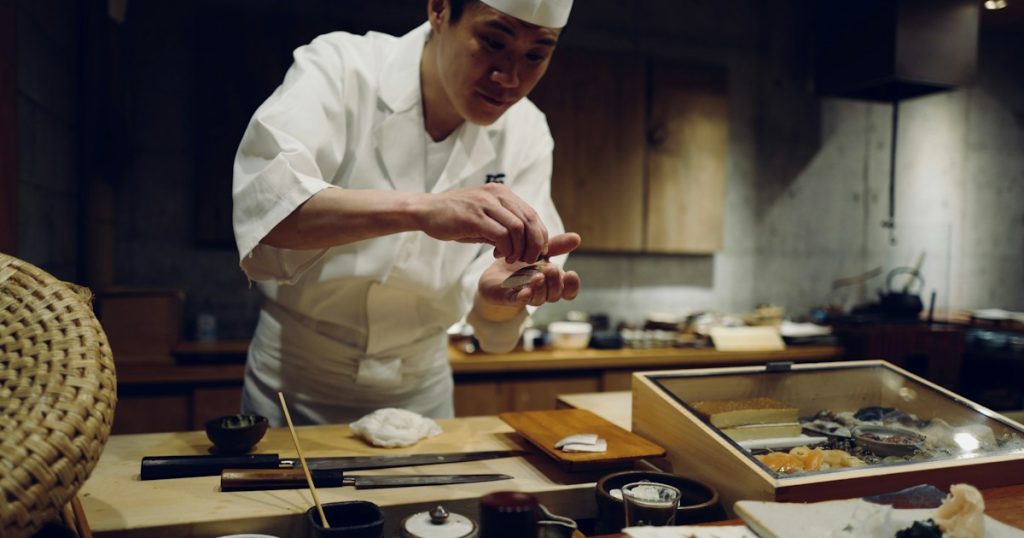
Photo: Thomas Marban via Unsplash.