
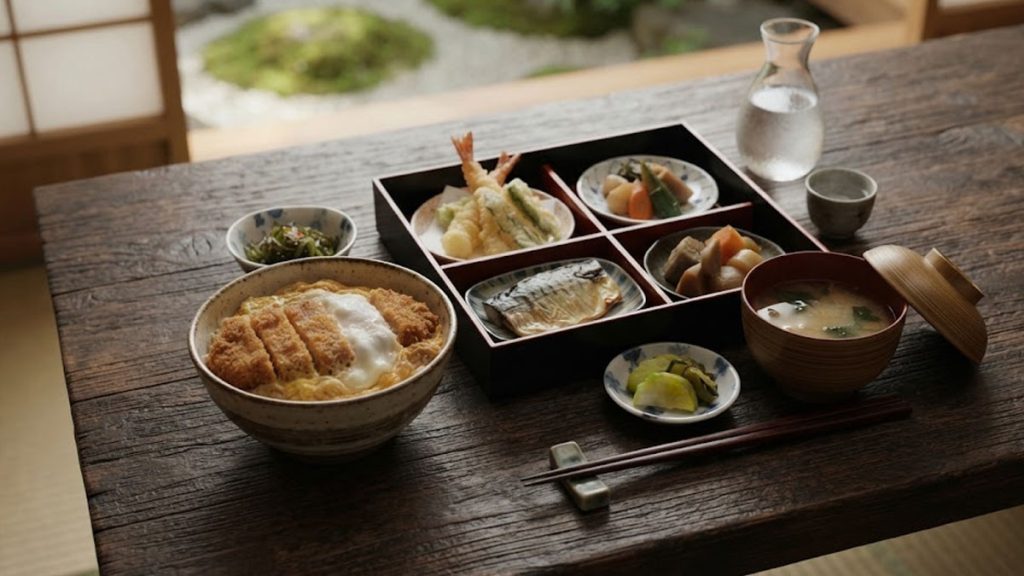
Stepping into a Japanese restaurant for the first time can feel intimidating. When faced with unfamiliar dish names, complex Japanese terminology, and endless variations, you might hesitate to place an order. However, dining out becomes an enjoyable adventure once you understand the basic structure of Japanese culinary menus.
Learning how a menu is organized and recognizing popular Japanese terms will transform your dining experience from confusing to completely confident. This guide will help you navigate any Japanese restaurant menu with ease.
Understanding the Main Categories on the Menu
Most Japanese restaurants organize their menus based on cooking methods and dish types. Recognizing these categories is the first step to avoiding confusion:
- Appetizers & Sunomono: Light starters like edamame (young soybeans), seaweed salad (wakame), or vinegar-based dishes (sunomono) designed to refresh your palate before the main course.
- Yakimono & Nimono: Grilled items (yakimono) like skewers of chicken, or slow-simmered dishes (nimono) cooked in a rich, savory umami broth.
- Agemono: Deep-fried dishes coated in a light, crispy batter, with tempura and tonkatsu being the most popular examples.
- Menrui: A dedicated section for traditional noodles like ramen, udon, and soba, served either hot in broth or chilled with a dipping sauce.
Navigating Rice Dishes and Complete Sets
In Japanese dining, main courses are often divided into rice-based bowls or comprehensive, balanced meal sets:
- Donburi: Rice bowls (don) topped with various savory meats, seafood, or vegetables. Common examples include katsudon (fried pork cutlet or chicken with egg) or gyudon (thinly sliced beef cooked with onions).
- Teishoku: Highly popular, balanced set meals. A standard teishoku typically includes a main protein (such as grilled fish or meat), a bowl of white rice, miso soup, pickled vegetables (tsukemono), and small side dishes, offering complete nutritional harmony in a single order.
Essential Terms You Will Often Encounter
Beyond dish names, you will likely spot several Japanese words that describe key ingredients or cooking styles:
- Shoyu: Traditional Japanese soy sauce that serves as the flavor base for various broths and sauces.
- Miso: Fermented soybean paste used primarily to make warm, savory, and comforting miso soup.
- Dashi: The fundamental Japanese cooking stock made from dried bonito fish flakes and kelp (kombu), providing a rich umami depth.
- Tempura: A technique of coating seafood or vegetables in a chilled batter and frying them to a crisp golden perfection.
Simple Tips for Ordering Without Stress
If you still feel overwhelmed while holding the menu, use these straightforward strategies to ensure a smooth ordering experience:
- Choose a Teishoku Set: If you want a variety of flavors without guessing which side dishes pair best, order a teishoku set because it includes everything from soup to side dishes.
- Don’t Be Afraid to Ask: Restaurant servers are usually friendly and happy to explain ingredients or recommend popular items if you share your preferences or dietary restrictions.
- Start with the Classics: If you are craving noodles, start with a basic bowl of ramen or udon; if you want sushi, go for a simple nigiri assortment.
Savoring Every Moment of Your Japanese Meal
Exploring a Japanese menu shouldn’t feel like a test. By understanding basic dish classifications and recognizing essential terms, you can order with confidence and appreciate the subtle artistry of Japanese cuisine in every single bite.